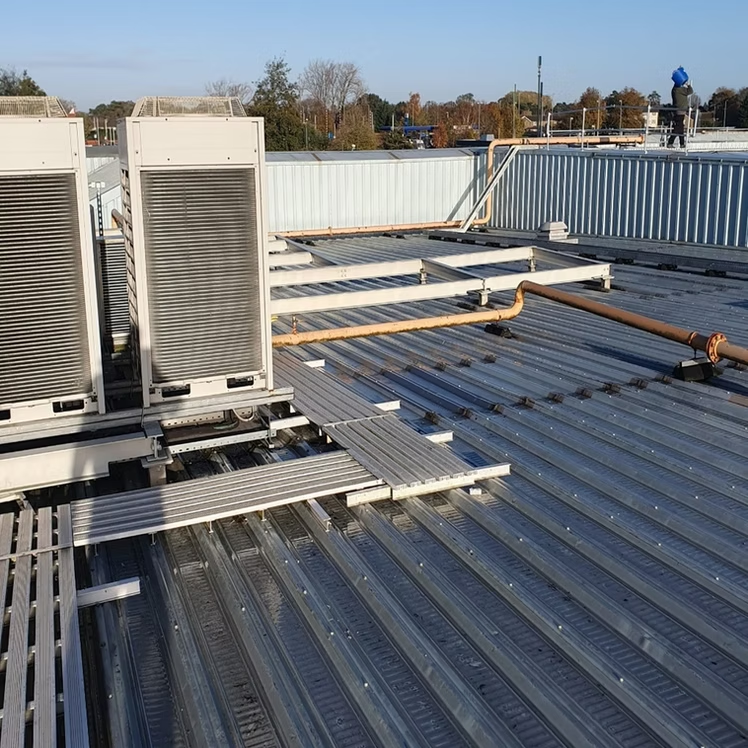
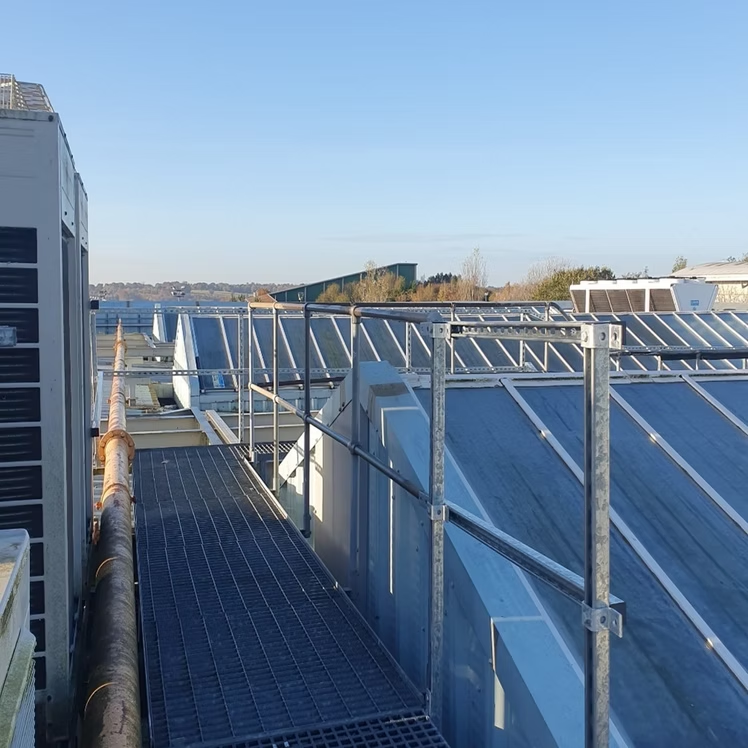
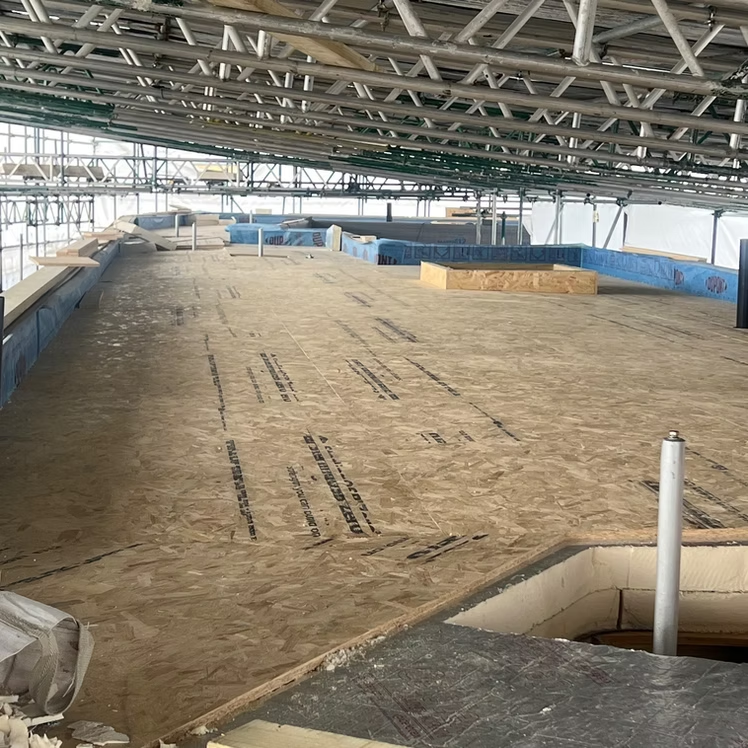
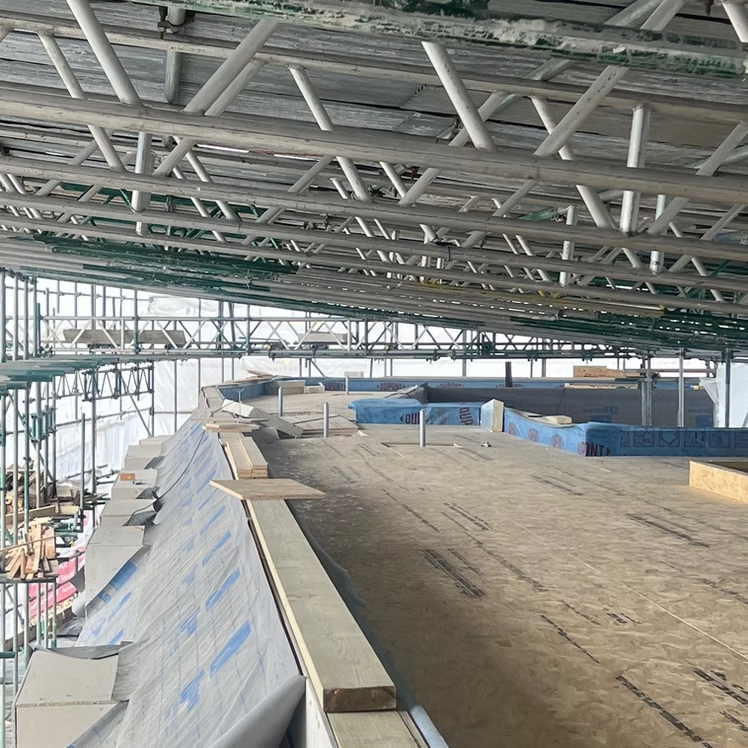
At LDT, safety is at the core of our operations. Led by our in-house Safety Director, we deliver expert safety management across all aspects of working at height. From on-site safety assessments to developing detailed Risk Assessments and Method Statements (RAMS), we ensure every project is compliant, controlled, and carried out with a strong safety-first approach.
We support both internal teams and external clients with a full range of safety and training services, ensuring high-risk tasks are planned and executed with competence and care.
With extensive experience in high-risk environments and a team of fully IRATA-trained operatives, LDT provides practical, effective safety solutions tailored to each site and scope of work.
Safety and Training Q&A with Joe, our Health and Safety Director
Why do we need to test our working at height assets?
Working at height assets require a thorough inspection for several important reasons related to safety, compliance and liability. By having your working at height assets tested you can ensure you are providing safe access equipment for staff/contractors, ensuring that your building is legally compliant and covered by their insurer and by having a thorough inspection will increase longevity through defects Identified and remedied.
Why do I require a working at height assessment?
The main aim of having an working at height assessment is to prevent falls and fatalities, this can be achieved by assessing if working at height can be avoided, ensuring adequate emergency/rescue procedures are in place, provides evidenced due diligence that the risks have been assessed and controls are in place and to ensure working at height being carried out is legally compliant.
Why would my roof require a temporary guard rail?
A temporary guard rail is a collective protection that can prevent a fall from an unprotected edge. Temporary guard rail is a collective/passive control meaning it protects multiple members of staff/contractors and passive means that staff/contractors are not required to do anything to be protected. Temporary guardrail forms a part of a safe system of work, prevents falls and fatalities, cost effective risk reduction and meets legal requirements.